
By: Sharon Makanjuola
Daniel is 14, a teenager.
He sits in the classroom with his peers like every other student, but he always keeps to himself. Not because he doesn’t want to talk to them, but because no one really expects much from him and he has quietly accepted this as his reality.
When he scores low on a test, the teacher pays no attention and says, “Boys will be boys.” The same teacher laughs and says, “Settle it like a man” when he struggles with bullying at school.
When he looks withdrawn and quiet for days, nobody asks questions. Boys are not supposed to be emotional, isn’t that the general belief?
At home, in an environment meant to be every child’s safe space, his mother is exhausted from work, doesn’t even have or make time to listen to know who Daniel is. His father believes discipline must be loud and humiliating to be effective. Conversations are short; none occur sometimes, but instructions are always a lot.
So Daniel learns three things from his present reality:
- Don’t explain yourself.
- Don’t show weakness.
- Figure it out alone.
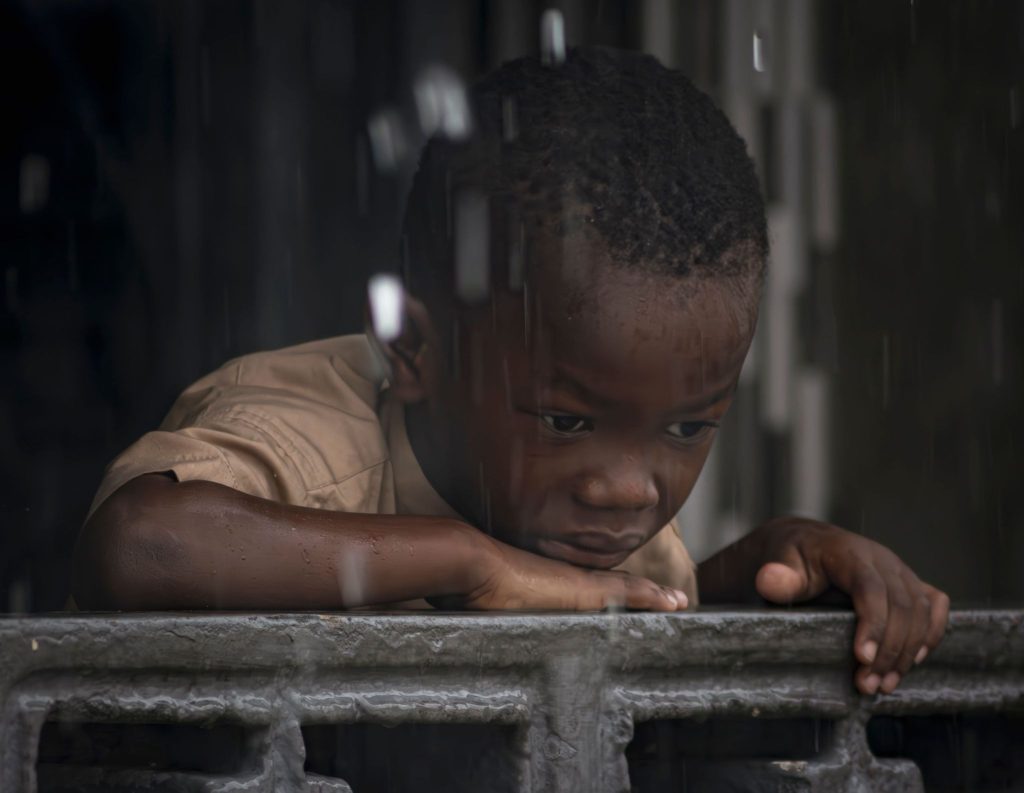
Picture this scenario for a moment, and reflect on why support and advocacy for boys matter.
How many Daniels do you know?
Will these ‘Daniels’ figure things out alone rightly?
How many boys around us are growing up in silence? How many boy-children are misunderstood, unguided, and left without mentorship or the support they need? Too often, their struggles go unseen and their voices unheard. This alone summarizes why boy-child advocacy is essential for nurturing boys into balanced, confident, and responsible men who can contribute positively to society.
This is neither a trend nor is it a competition. It is a response to a growing gap and about bringing balance to society.
In this article, we will explore what boy child advocacy truly means, the misconceptions surrounding it, the challenges facing the boy child in Nigeria, the role of society in boy child development, and how each of us can be part of the solution.
What is the Core of Boy-Child Advocacy and What Isn’t?
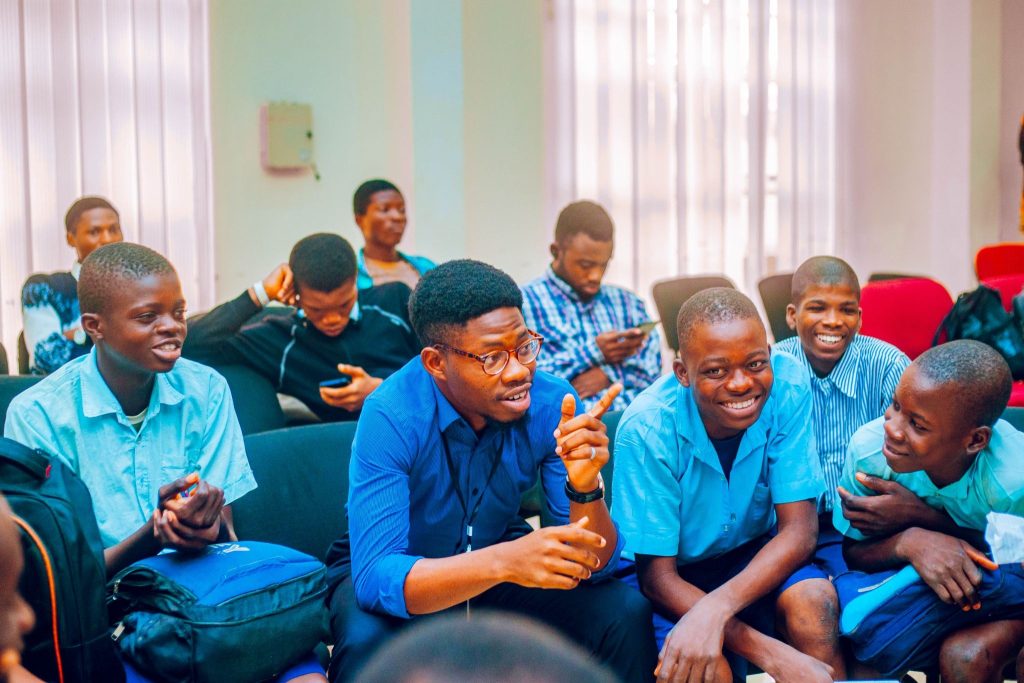
Boy-child advocacy is an initiative aimed at raising boys for purposeful living. At its core, it is
- Intentional guidance for boys as they grow
- Emotional, moral, and social support systems
- Creating safe spaces for boys to speak and be heard
- Teaching responsibility, empathy, discipline, and leadership
Boy-child advocacy is both a structure and a system. Across the world, conversations and initiatives about gender empowerment have evolved. While many positive movements have been made in supporting girls, which is very necessary, it is important to note and bring to the world’s consciousness that boys are struggling too — maybe differently, but these struggles need to be recognized.
Many boys are raised with phrases like:
“Men don’t cry.”
“Be strong.”
“Handle it.”
Over time, these words shape identity. They teach suppression, which in turn produces dysfunctional men.
Boy child advocacy does not mean shielding boys from accountability. It means teaching accountability properly. It means creating a safe space where the “child” in “boy-child” can be expressed.
Advocacy doesn’t have to wear a branded T-shirt.
Sometimes it looks like a father changing how he speaks.
Sometimes it looks like a teacher choosing to teach and mentor beyond the classroom.
Sometimes it looks like an “egbon-adugbo” staying back after a community football match to ask, “How are you really doing?”
Misconceptions About Boy Child Advocacy
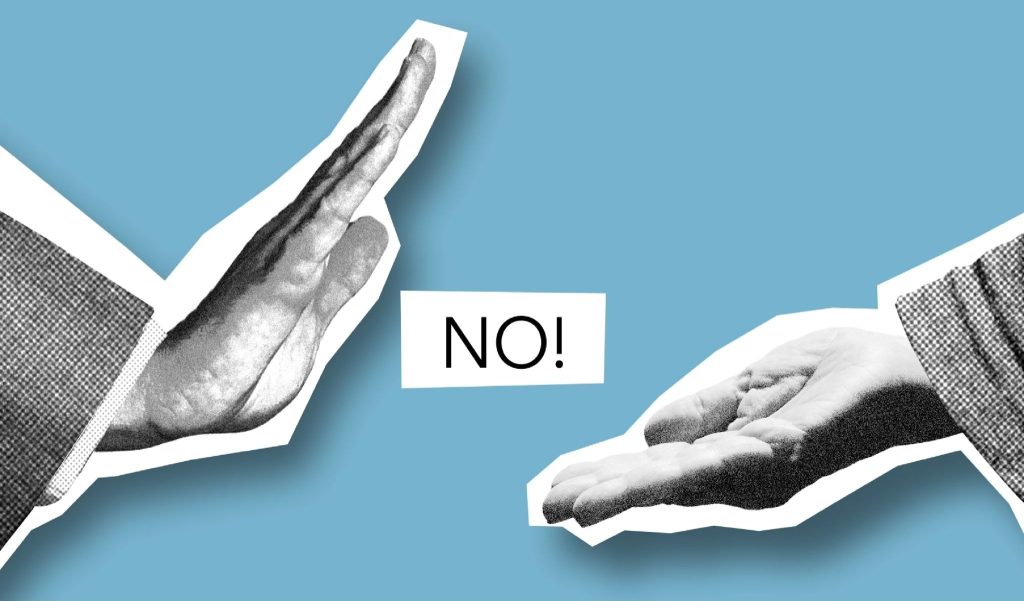
We have heard over the years how some misconceptions around boy-child advocacy have hindered the growth of the movement. Some of these include,
📌It is anti-girl child.
📌It competes with female empowerment.
📌It promotes male superiority.
Boy-child advocacy is not a movement to abandon girls. A society that strengthens one gender while neglecting the other creates imbalance and sets up the abandoned gender to be a pain point to the other gender
I have thought of it this way: a bird is trying to fly with only one strong wing. One of the wings is well-fed, trained, and cared for every day while the other wing is met with little to no food, care, or training.
When the bird tries to fly, what do you think happens? It tilts to one side, struggles, and finally falls.
That bird is like our society. The two wings represent both genders.
If we support only one and ignore the other, we will continue in an endless loop of “protecting the protected gender over the neglected one.”
Why not bring about a balance?
The Need for Boy-Child Advocacy in Nigeria
Now let’s return to Daniel.
At 16, while trying to figure things out, he stops talking about his problems, begins to fight more, keeps anger inside, and his grades drop.
People start calling him “stubborn,” but no one asks what is really wrong. Nobody mentors him differently.
Nigeria is a vibrant country, yet a high-pressure environment with economic uncertainty, social comparison, and rigid expectations that weigh heavily on young boys. Boy-children are faced with issues such as drug and substance abuse, recruitment into cult groups, pressure to provide financially at an early age, exposure to harmful online influences, and emotional neglect masked as “training,” to mention a few.
Many are told they must “become men” before they even understand what that means.
Boy child advocacy in Nigeria steps into this dysfunction to not just ask but also rewrite questions like:
- Who is mentoring these boys?
- Who is teaching emotional intelligence?
- Who is correcting harmful definitions of masculinity?
- Who is listening before judging?
Without structured guidance, boys often learn from the loudest influence around them, which in many cases are not the best or wisest.
The Guardian newspaper reported that a 19-year-old teacher was sentenced to life imprisonment by a Federal Capital Territory court for the rape of a nine-year-old boy in a Kwali classroom. This is a case that made headlines across Nigerian media and reminded the nation that boys, like girls, are vulnerable to sexual abuse and exploitation and deserve protection, support, and advocacy.
Who Should Advocate for Boys?
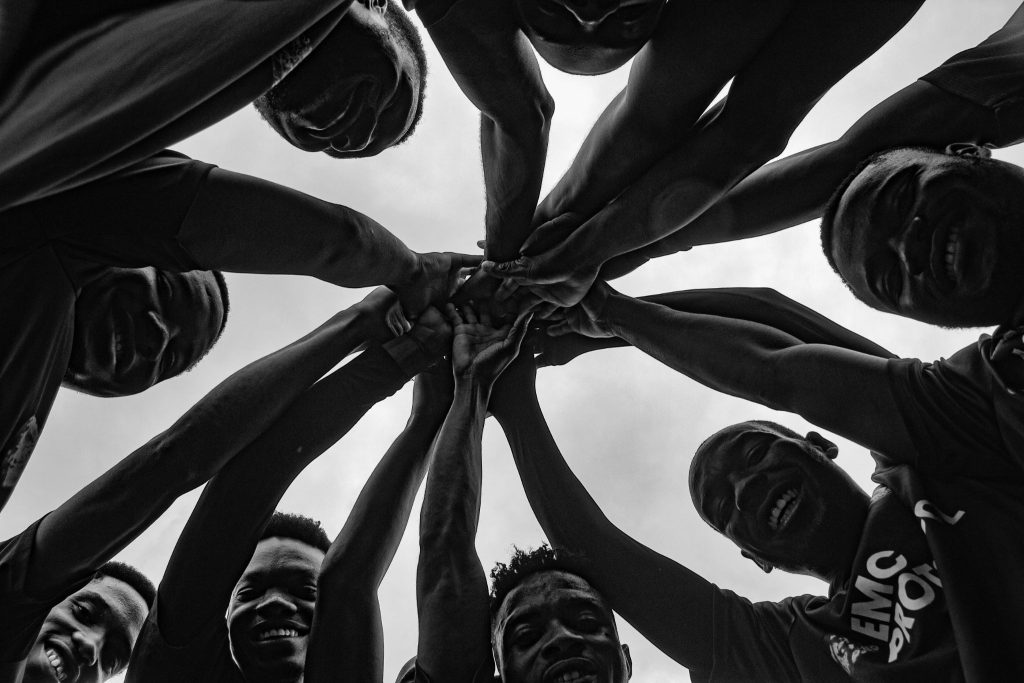
The role of society in boy child advocacy is collective, and no single group can carry it alone.
- Parents: Parents shape identity first. The first safe space of every boy should be his home with his parents. Parents can and should create safe conversation spaces, teach emotional intelligence, model respectful behavior, and correct without humiliation.
- Schools: Second to the home, schools are where boy-children interact. Schools can introduce mentorship clubs, teach life skills alongside academics, speak up/address bullying directly, and invite positive male role models for mentorship programs. Education is not only about passing exams. It is about shaping character.
- Religious Organizations: In Nigeria, faith communities are powerful. They can assist in amplifying boy-child advocacy by teaching balanced masculinity, providing counseling systems, address anger and peer pressure honestly.
- Government and Public Institutions: It is a known fact that policy influences the environment, and authorities can support youth development initiatives, fund structured mentorship programs, and integrate character education into school systems.
- Individuals: This basically refers to “YOU and ME”. You do not need a title to make an impact. You can mentor a younger boy, support and amplify the voice of boy-child advocacy organizations in Nigeria, and challenge harmful stereotypes in daily conversations.
Every boy interacts with society, and society must be intentional.
Boy-child Advocacy Organizations in Nigeria
Several boy-child NGOs in Nigeria are doing important work, but we can amplify this. One way to show support is to make those doing it be more heard and understood
This is the core of what we do as an organization at Boys Without Borders Nigeria. We are committed to raising boys into functional men through education, orientation, and positive community influence for a stronger and more united society.
Over the years, the organization has led several community projects designed to give the boy child a safe space to speak up, grow, and be intentionally developed. These include Boys Talk About It, the Ibadan Boys Conference, which was held to celebrate the International Day of the Boy-Child, and the Undergraduate Mentorship Program, among others.
Our efforts in combating male sexual abuse and challenging the myths and misconceptions surrounding it have also received press features from both Nigeria-based and international media organizations, further projecting the conversation around the protection and development of boys.
We also recognize the contributions of other organizations contributing to this growing advocacy space, including:
📌 The Ife Bayonle Network (TIBN), an organization led by Ifedolapo Bayonle, is focused on narrative change, community projects, and boy-child support initiatives like hygiene and empowerment sessions. They have led projects like “Give A Boy Child A Boxer” for school boys.
📌 Boys Quarters Africa, an initiative founded by Solomon O. Ayodele, is a volunteer-driven boy-child transformation movement with a focus on educating, empowering, and advocating for boys and young men. The organization operates under 4 pillars: Leadership, Education, Empowerment, and Advocacy (L.E.A.D.), and the initiatives include programs like Project SABI, Exchange Program, Guyversations, and the #BoysToo campaign, which addresses sexual abuse of boys.
The organization’s advocacy has gained visibility and continental recognition at the 2025 Future Awards Africa and the convening of the Pan-African Boy-Child Summit, reflecting the growing influence of boy-child advocacy across the continent.
📌 Save The Boys Initiative: Founded in 2019 and led by Ebuka Ede, this organization runs mentorship workshops, school outreach programs, and advocacy campaigns aimed at helping boys develop emotional awareness, leadership skills, and life purpose. In 2025, they brought together over 2,000 boys from more than 50 schools at an International Boys Day Conference to address issues like drug abuse and positive manhood.
These advocacy movements are definitely improving the advocacy space and can be amplified.
The Impact of Boy-Child Advocacy in the Nigerian Society
The impact of the boy-child advocacy across the world may not always be loud but certainly gradual. These impacts can be seen in increased awareness around healthy masculinity, more conferences, mentorship programs for boys, and engagement initiatives.
When boys attend structured conferences and participate in small sessions about responsibility, relationships, and purpose, something changes. They feel heard, seen, and valued. For some, it could be their first time having a safe space to be vulnerable and to be a child, true and through.
The ripple effect of this impact also matters. One mentored boy can influence his sibling, his friends, his future family, his workplace, and his community.
Apply this across hundreds of boys, and you are looking at a more functional society with thousands of boys.
Challenges of Boy-Child Advocacy in Nigeria
Boy-child advocacy is not without resistance. Some of the challenges of boy-child advocacy in Nigeria include:
- Limited funding for male-focused development programs
- Misunderstanding from the public
- Cultural stereotypes around masculinity
- Media narratives that focus only on negative male behavior
These challenges sometimes make months and years of work seem like nothing has changed after negative incidents involving young men occur.
The whole point is that continuous change requires persistence. The presence of challenges does not mean the absence of impact.
How Can You Support Boy-Child Advocacy?
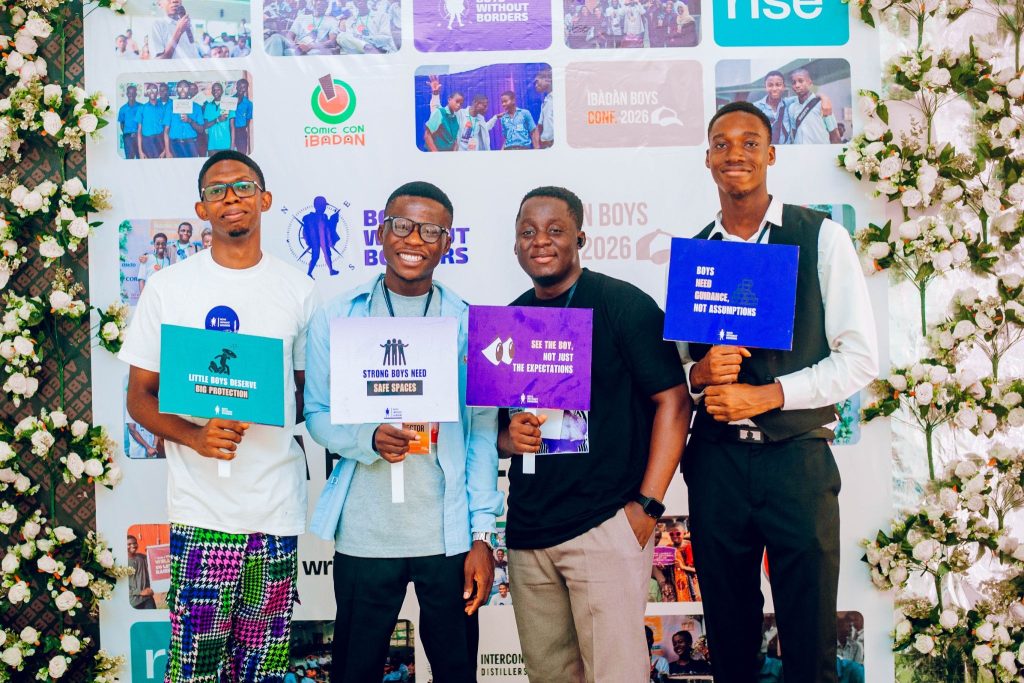
‘If Daniel were your son, what would you want to do to create a change?’
Here are practical ways to support boy child advocacy in Nigeria:
📌Volunteer with mentorship initiatives.
📌Donate to credible boy child advocacy organizations in Nigeria.
📌Share awareness content.
📌Attend community events.
📌Speak to boys with intention.
📌Replace “man up” with “let’s talk.”
📌Support does not have to be dramatic. It has to be consistent.
Now let’s return to Daniel.
Imagine if before 14, he had always had someone to look up to, someone who had asked him how he was doing.
Imagine if, at 16, he had access to structured mentorship.
Imagine if society had defined manhood for him through responsibility instead of rebellion.
This kind of life is still possible not just for “Daniel”, but for thousands of boys across Nigeria.
Healthy boys become responsible men. Responsible men build stable families. Stable families build stronger nations.
Allow a boy-child around you to see you as a safe space to be vulnerable.
Allow a boy-child around you to be a child true and through.
The real question is not whether boys need advocacy.
The real question is whether YOU are willing to provide/amplify it.
By day a tax analyst, Sharon Makanjuola loves telling stories that remind boys they matter, their voices count, and their futures are worth investing in.
